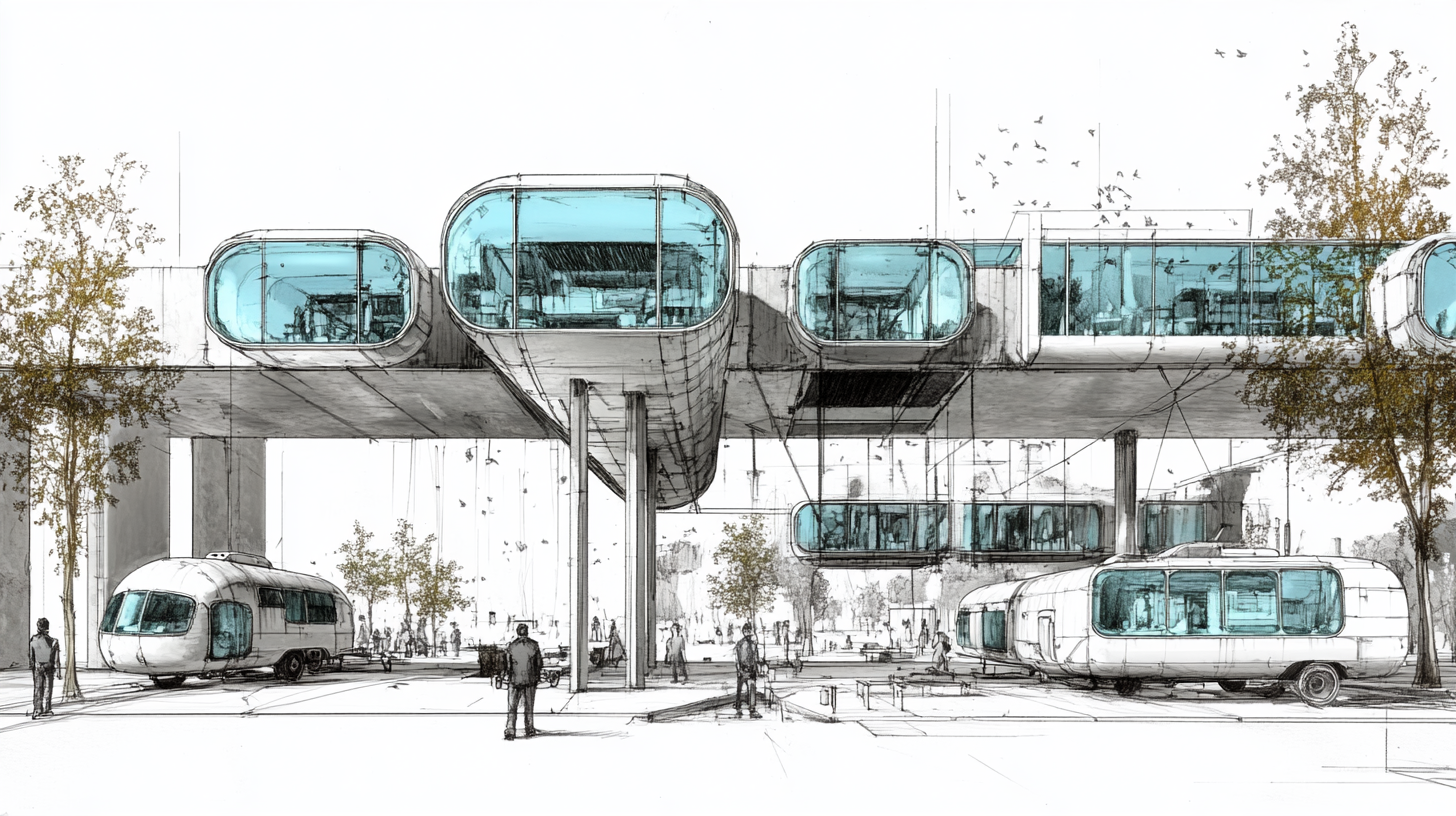
The Docking Life
What if your home could follow you—and buildings became the infrastructure that receives it?
Four million Americans already live full-time in vehicles—not as crisis, but strategy. Combine autonomous vehicle interiors with robotic parking systems, and a new typology emerges: the docking hub. Buildings provide water, waste, power, and community. You provide a mobile pod that carries your identity from city to city.
Research Angles:
What makes a docking hub desirable? Location, amenity, or network reputation?
How do marinas, RV parks, and co-working spaces already model this?
What's the architecture of the interface—the moment pod meets building?
Related Readings:
Learning from Quartzsite, AZ - Emerging Nomadic Spatial Practices in America by Mojtaba Nabavi— Brilliant Award-winning thesis from the Harvard GSD, outlining the trend of nomadic, vehicle-dwelling in Quartzsite, Arizona
Autonomous Mover by Tom Kundig — An interesting concept on the future of autonomous vehicles.
"Nomadland" by Jessica Bruder — The book behind the film. Documents the actual culture and economics of vehicle-dwelling in America. Grounded, journalistic, full of real stories and spatial observations a student could build on.
"Home on the Road: The Motor Home in America" by Roger B. White — Smithsonian book on the history of mobile dwelling as American typology. Good for understanding the cultural lineage.
"Capsule: A Typology of Other Architecture" by Peter Šenk — Traces the architectural history of minimum dwelling units, from metabolists to capsule hotels.
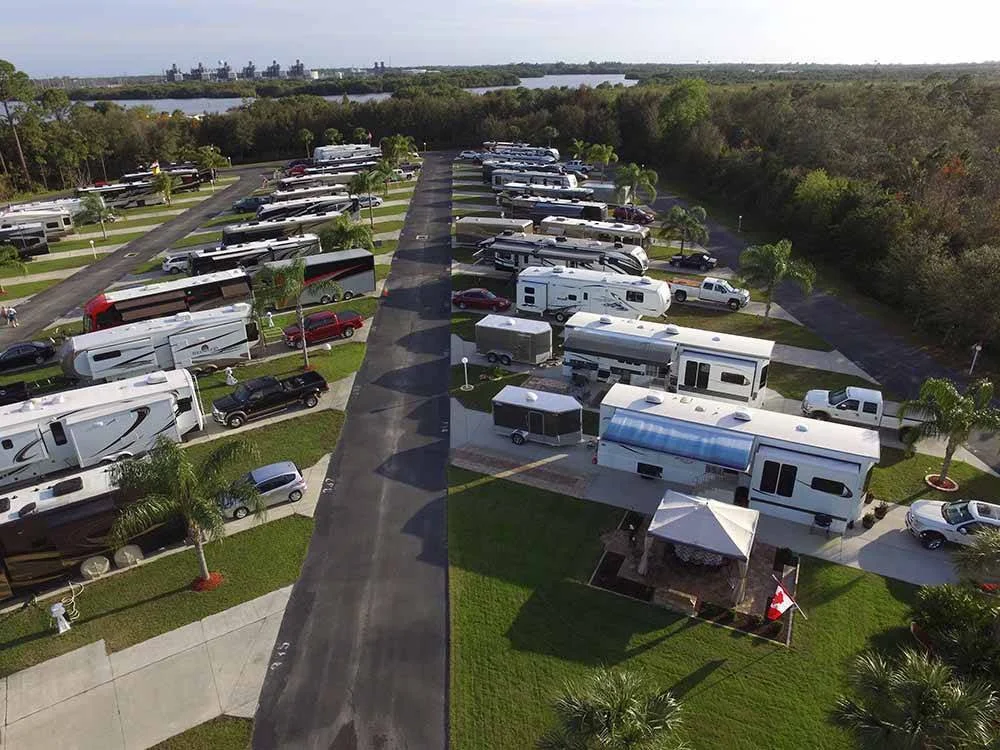
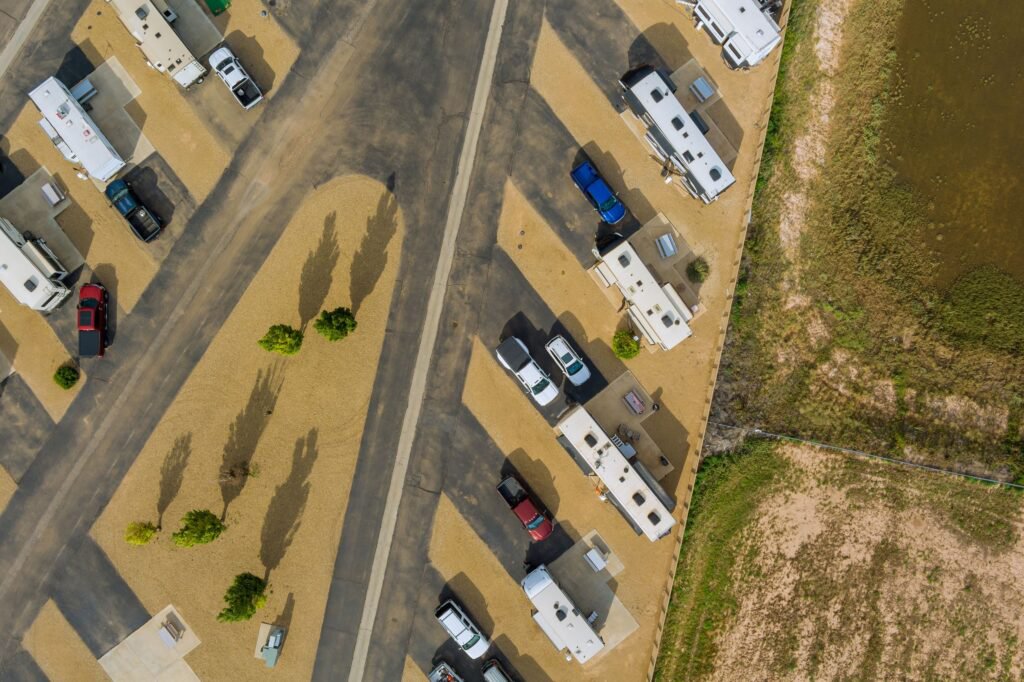
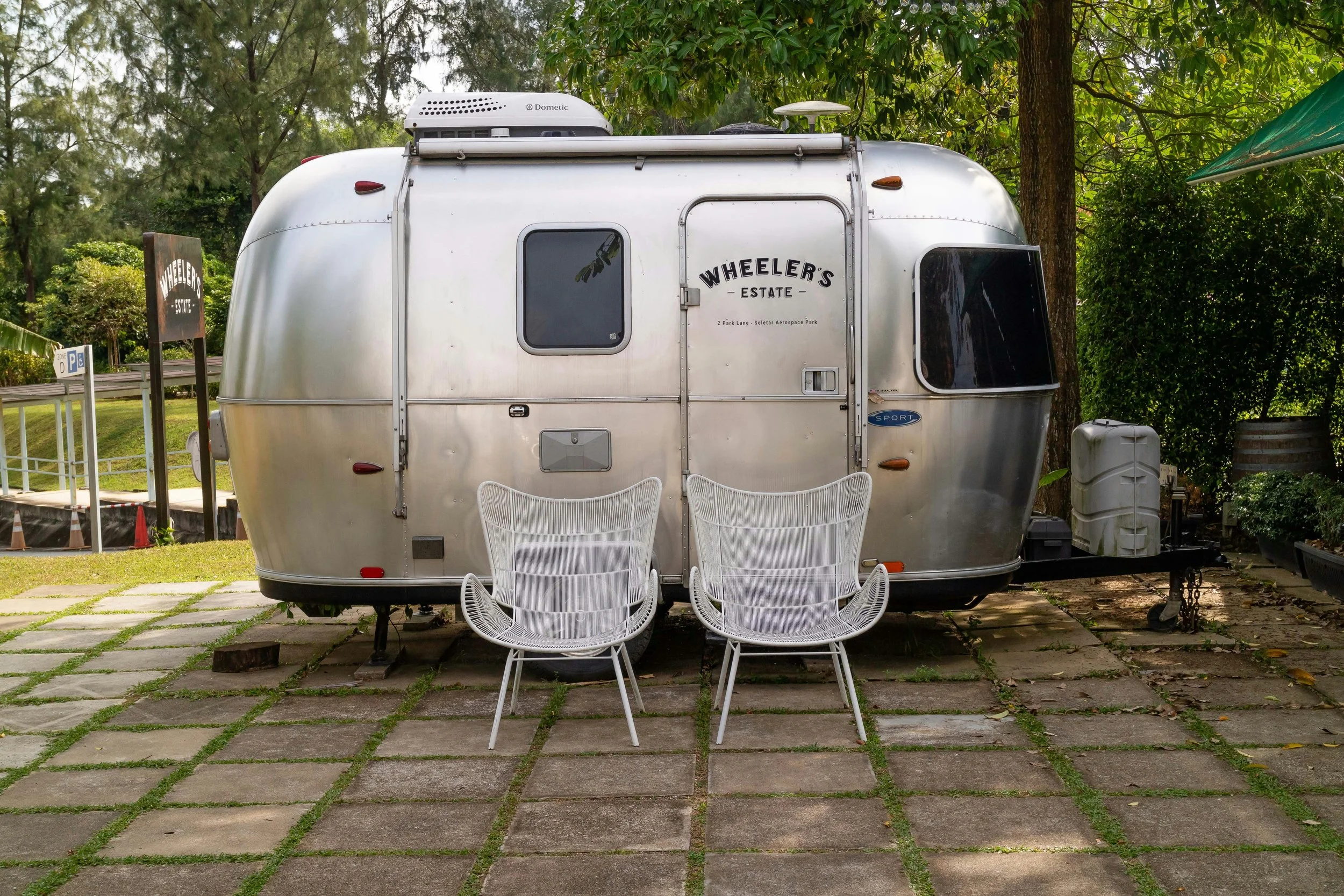
A growing popular trend of individuals residing in their vehicles leading a more nomadic lifestyle, due to choice, socio-economic pressures or pleasures, and global warming.
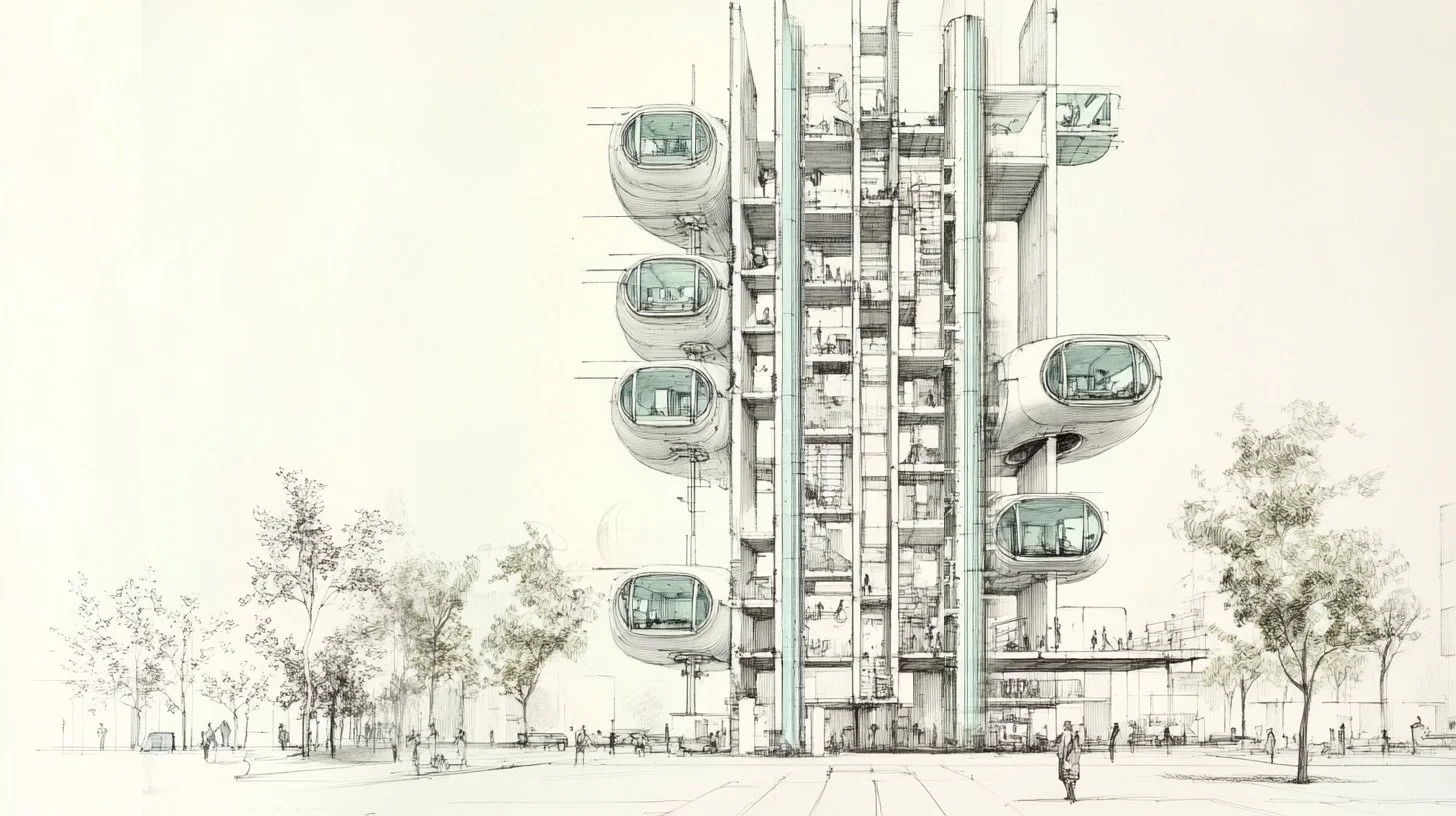
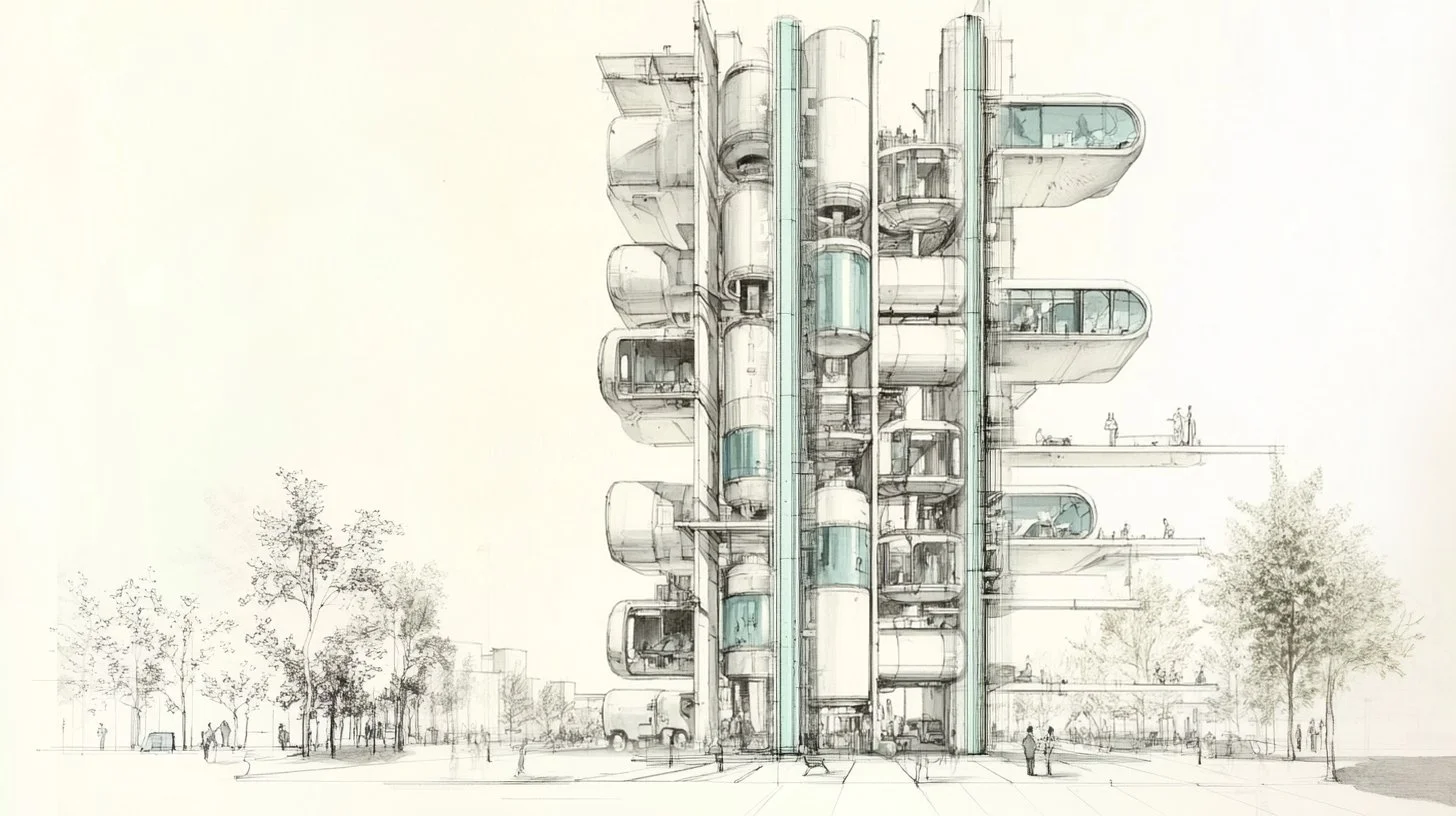
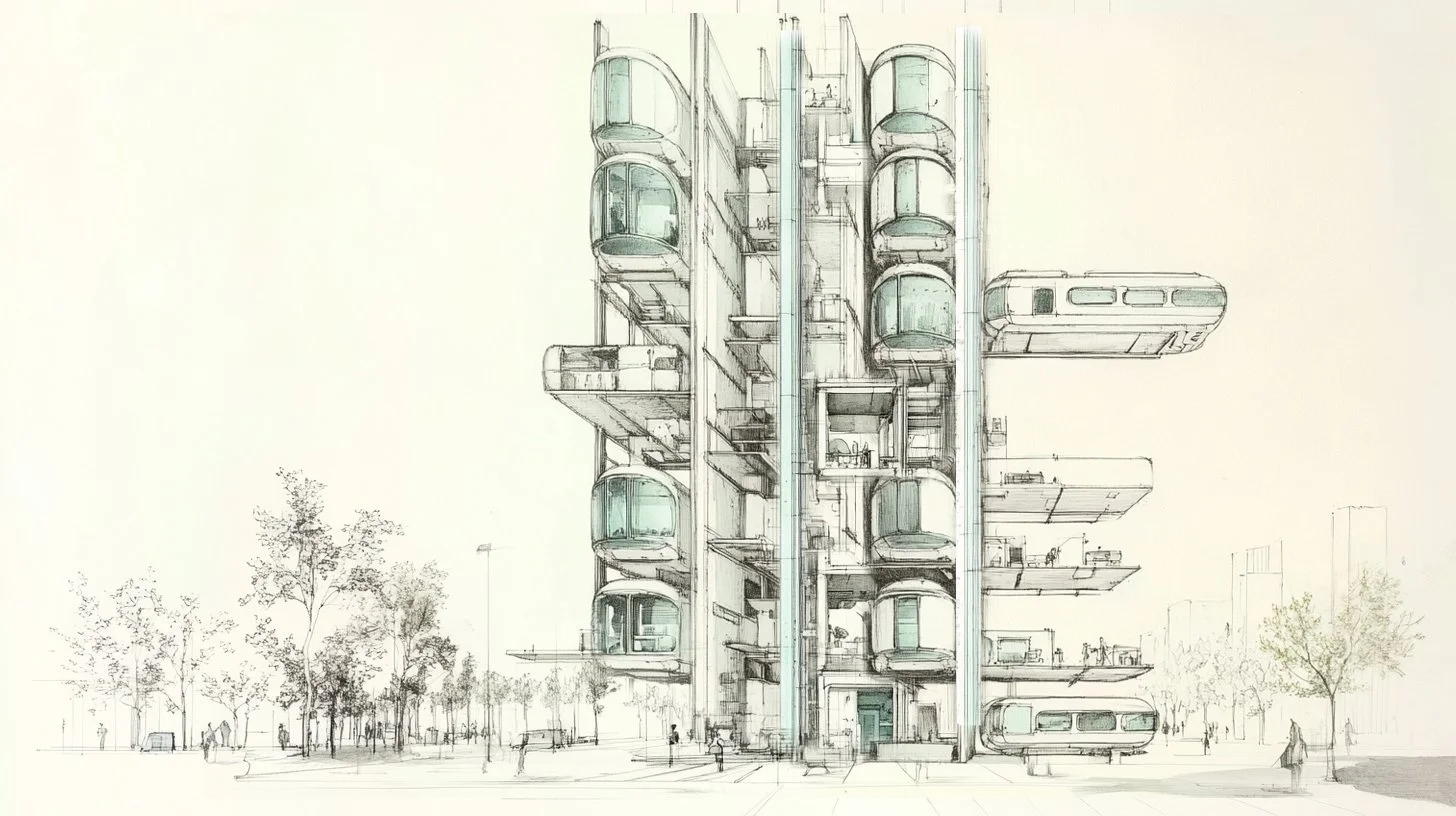
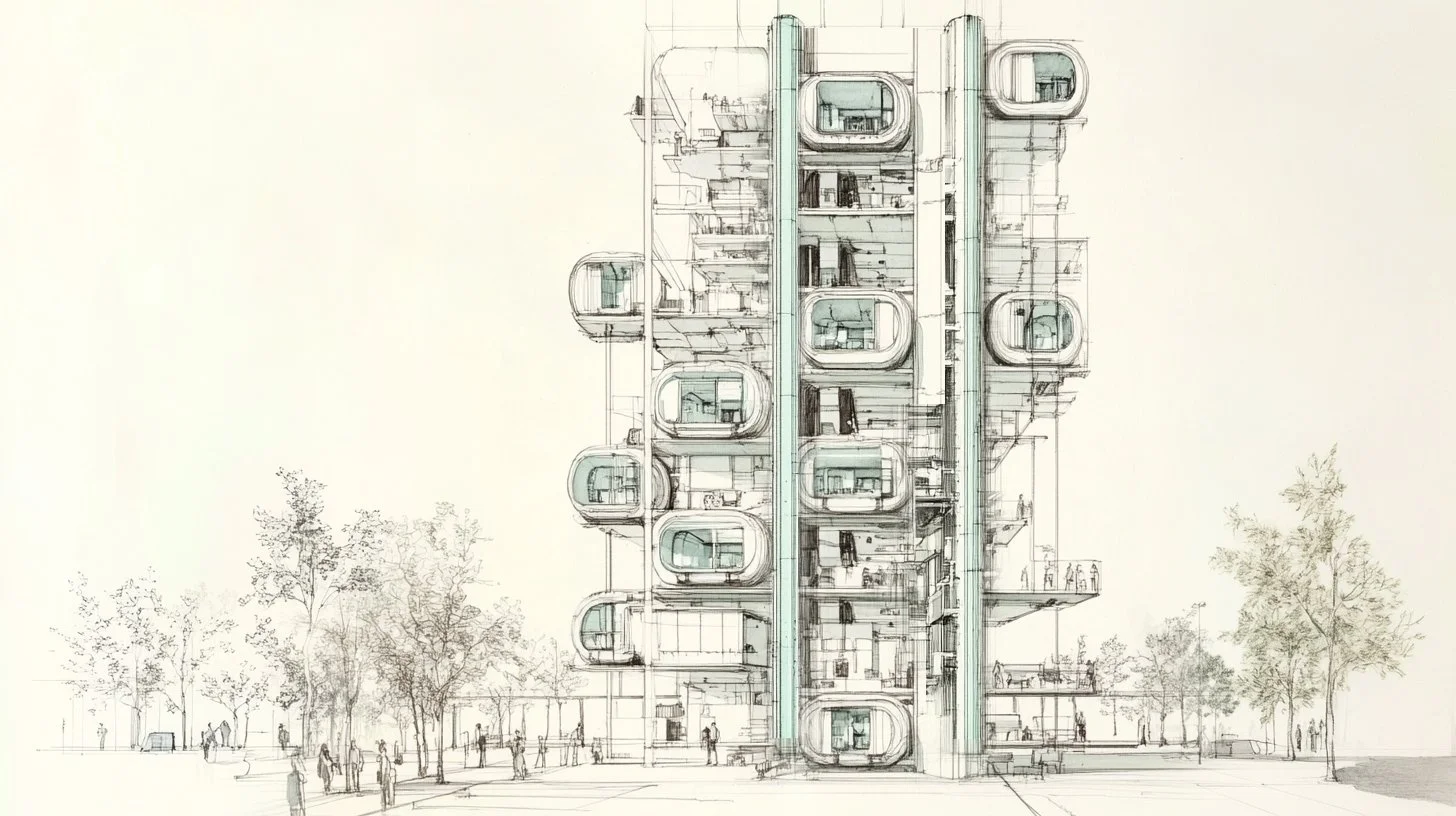
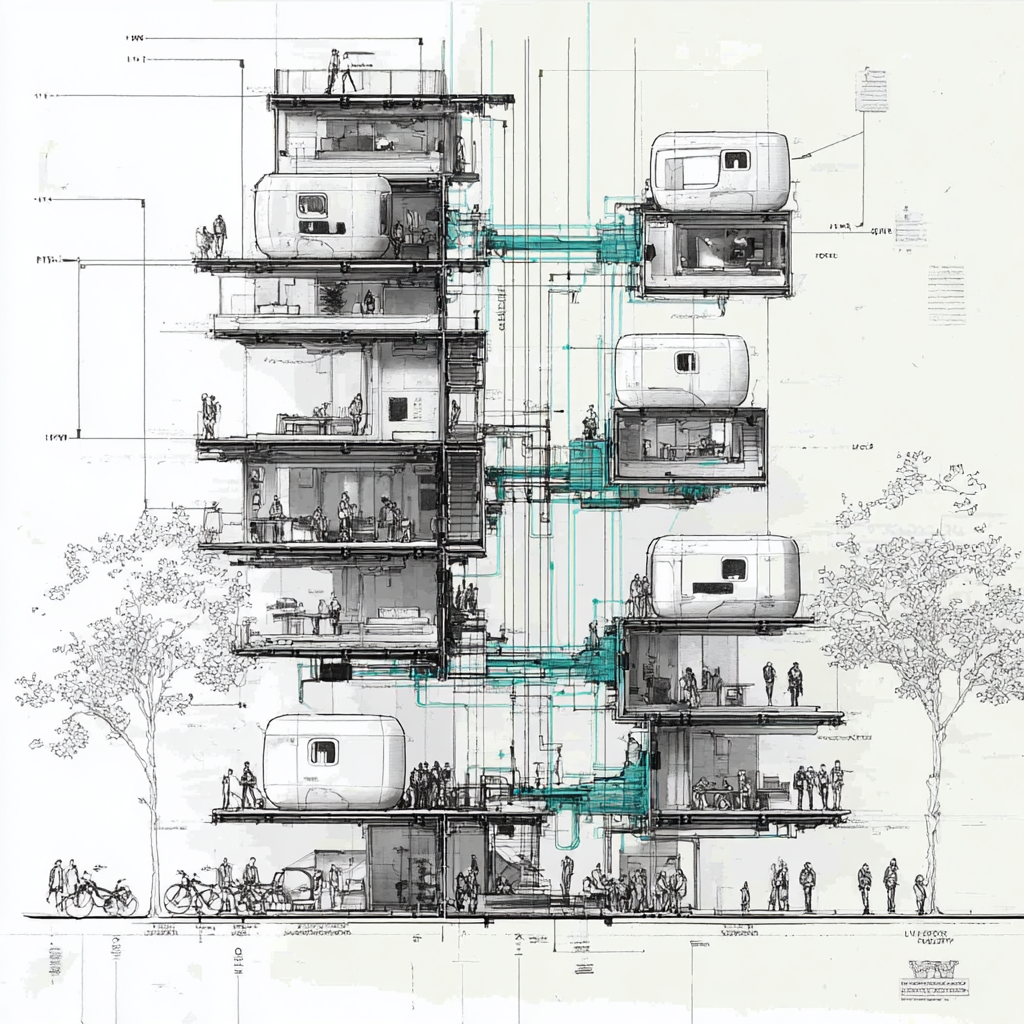
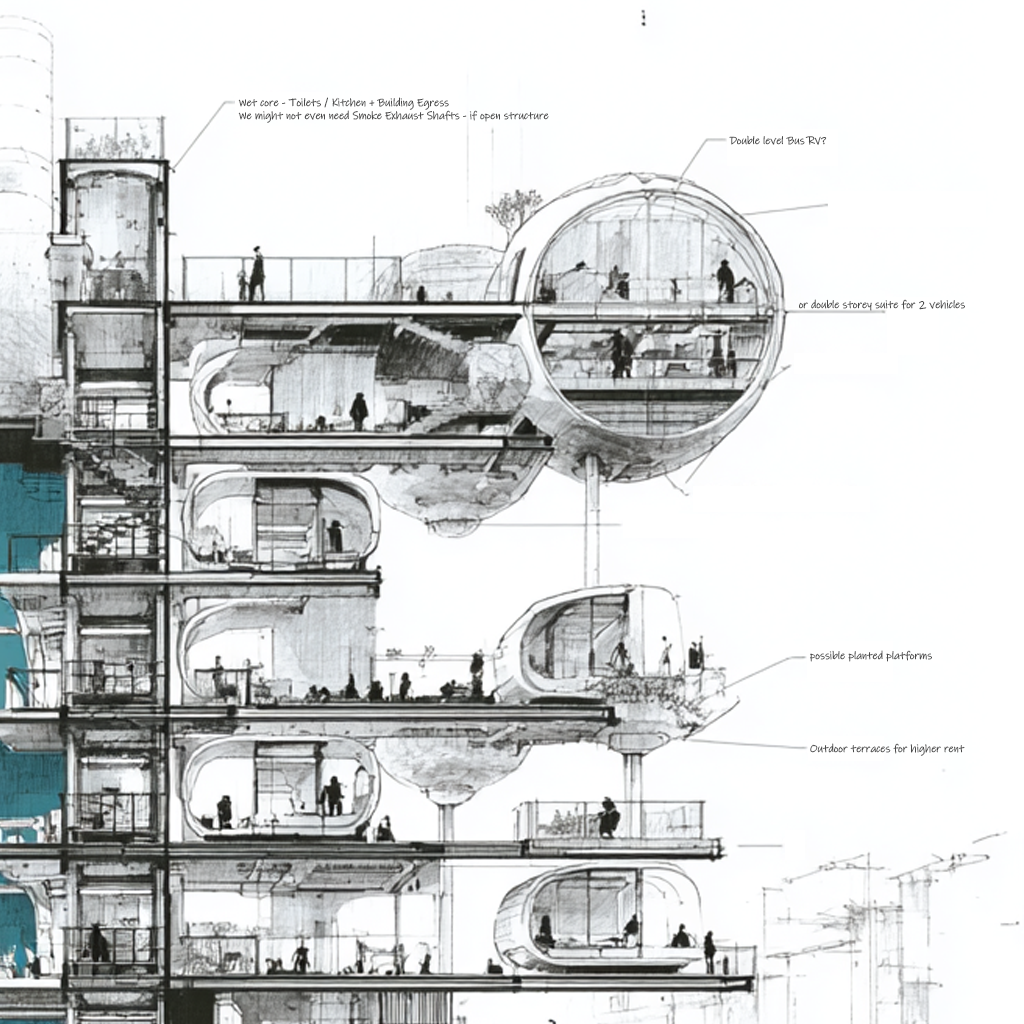
The building section reveals the relationship between fixed and mobile: vertical cores with elevators and utilities, cantilevered docking arms, and shared amenity floors (kitchen, bath, laundry, lounge) that serve what the pods cannot provide alone.
Why This Matters Now
The apartment is a 20th-century contract: commit to a fixed location, sign a lease, let your life orbit that address. If your job changes or your family grows, you move—boxing up your life, breaking the lease, starting over.
Two technological shifts are eroding this arrangement. Autonomous vehicles are becoming mobile rooms; if you don't need to drive, the interior becomes usable space. Automated parking systems already move vehicles in three dimensions without human drivers. Combine these, and the relationship between dwelling and infrastructure inverts: the dwelling moves, the infrastructure stays.
This isn't speculation. It's an extension of patterns already operating:
RV parks provide hookups for mobile dwellings—power, water, sewer. The vehicle is home; the park is service layer.
Marinas dock boats that serve as primary residences. The slip provides utilities; the boat provides shelter.
Co-working spaces proved that work doesn't require a fixed desk. You subscribe to a network and drop in wherever you are.
The System: Three Components
The Living Pod. A highway-legal autonomous vehicle designed as inhabitable space. Contains sleeping, lounging, storage—but not full kitchen or bathroom. Those require fixed infrastructure. The pod is manufactured, not site-built. It has a VIN, not an address.
The Docking Hub. A multi-story building designed to receive, service, and stack pods. Not an apartment building—a mobility interface. The structure is permanent; the inhabitants are transient. Think parking garage meets hotel meets co-working space.
The Network. Your pod subscription grants access to hubs across multiple cities. Your community isn't geographic—it's the other people who subscribe to the same protocol.
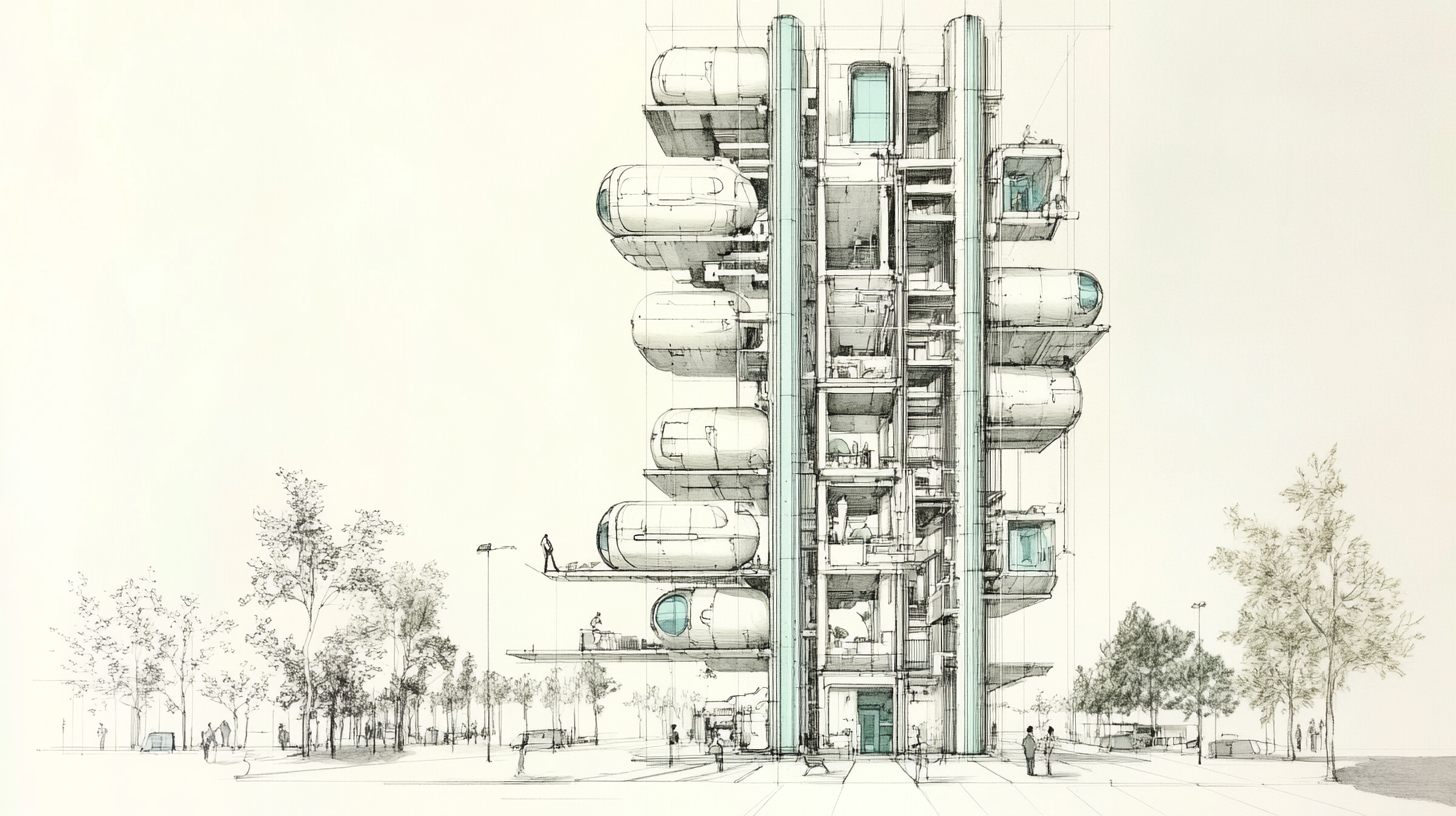
A mid-rise infrastructure frame receives mobile living pods of varied designs—some rounded like Airstreams, others angular and compact. Vertical cores house car elevators that lift pods to their docking points. The ground level remains open: public plaza, shared amenity, arrival zone. As the day changes with vehicles coming and going, this becomes a living facade in the city.
Thesis Trajectories
The Hub as Amenity Platform. What shared facilities justify the docking fee? Gyms, pools, co-working, childcare? The hub competes on experience, not square footage.
The Interface Detail. Design the docking mechanism itself—the alignment guides, the utility connections, the satisfying click of arrival. Tom Kundig's "gizmos" offer a precedent: infrastructure as tactile, legible, even beautiful.
The Network Economics. How does pricing work? Nightly, monthly, membership tiers? What happens when demand exceeds supply at popular hubs?
The Social Question. Does transience preclude community, or does shared infrastructure create new forms of belonging?