

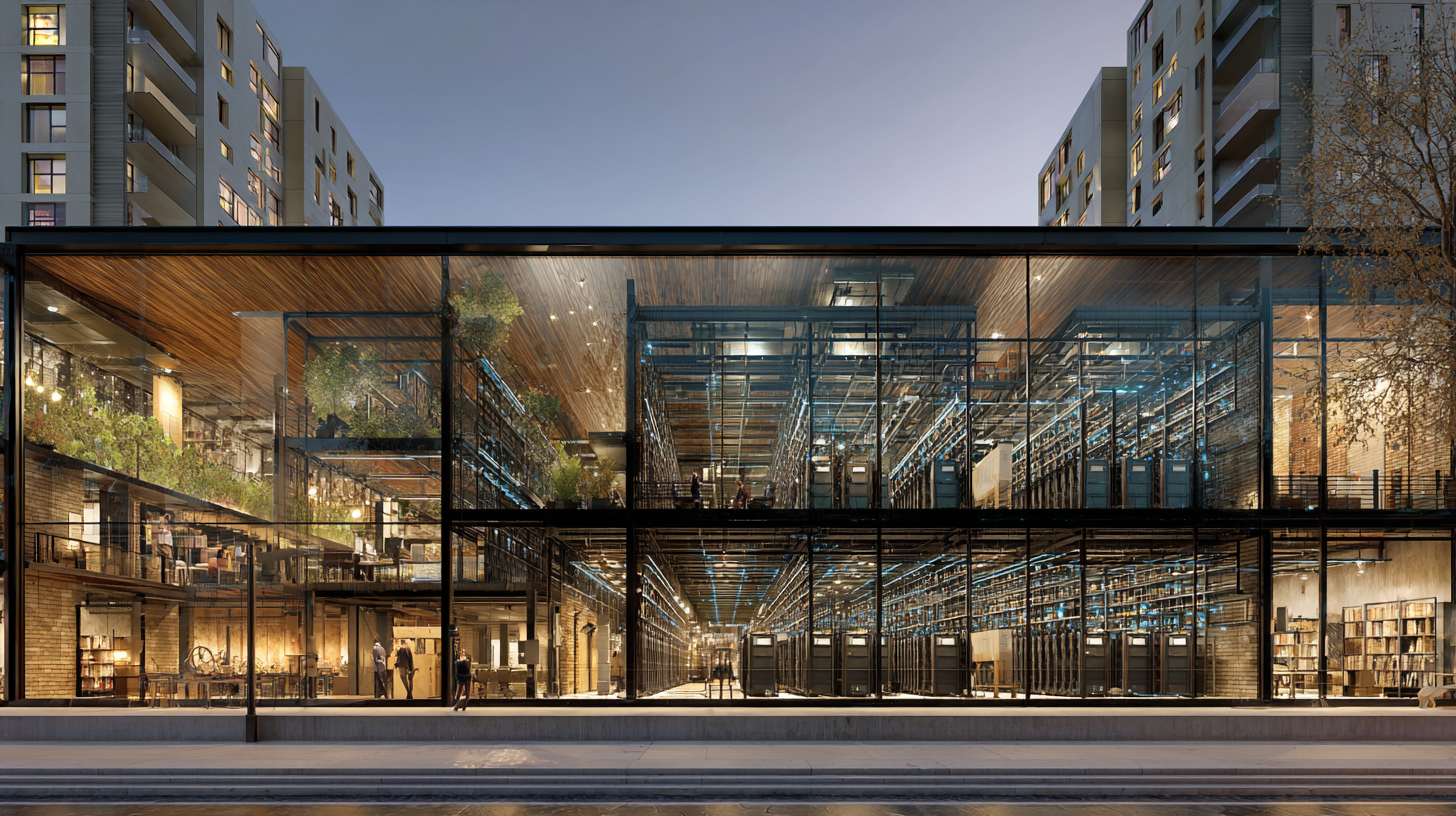
Data Centers - The Fortress and Its Discontents
What does a city owe—and what can it demand—when computation moves in next door?
Data centers are the factories of the 21st century: massive, hungry for power, and increasingly unwelcome. They generate waste heat while neighbors burn fuel for warmth. They demand water in drought-stricken regions. They offer few jobs but consume vast resources. The architectural question: can this infrastructure become civic, or is extraction its only mode?
Research Angles:
The thermal paradox: cold climates reduce cooling costs but complicate construction; hot climates offer cheap land but nowhere to dump heat
The water crisis: evaporative cooling consumes millions of gallons in regions already facing scarcity
The community tension: what would a genuine benefit agreement look like for digital infrastructure?
Related Readings:
"Data Centers” by Microsoft
Stockholm Data Parks case studies
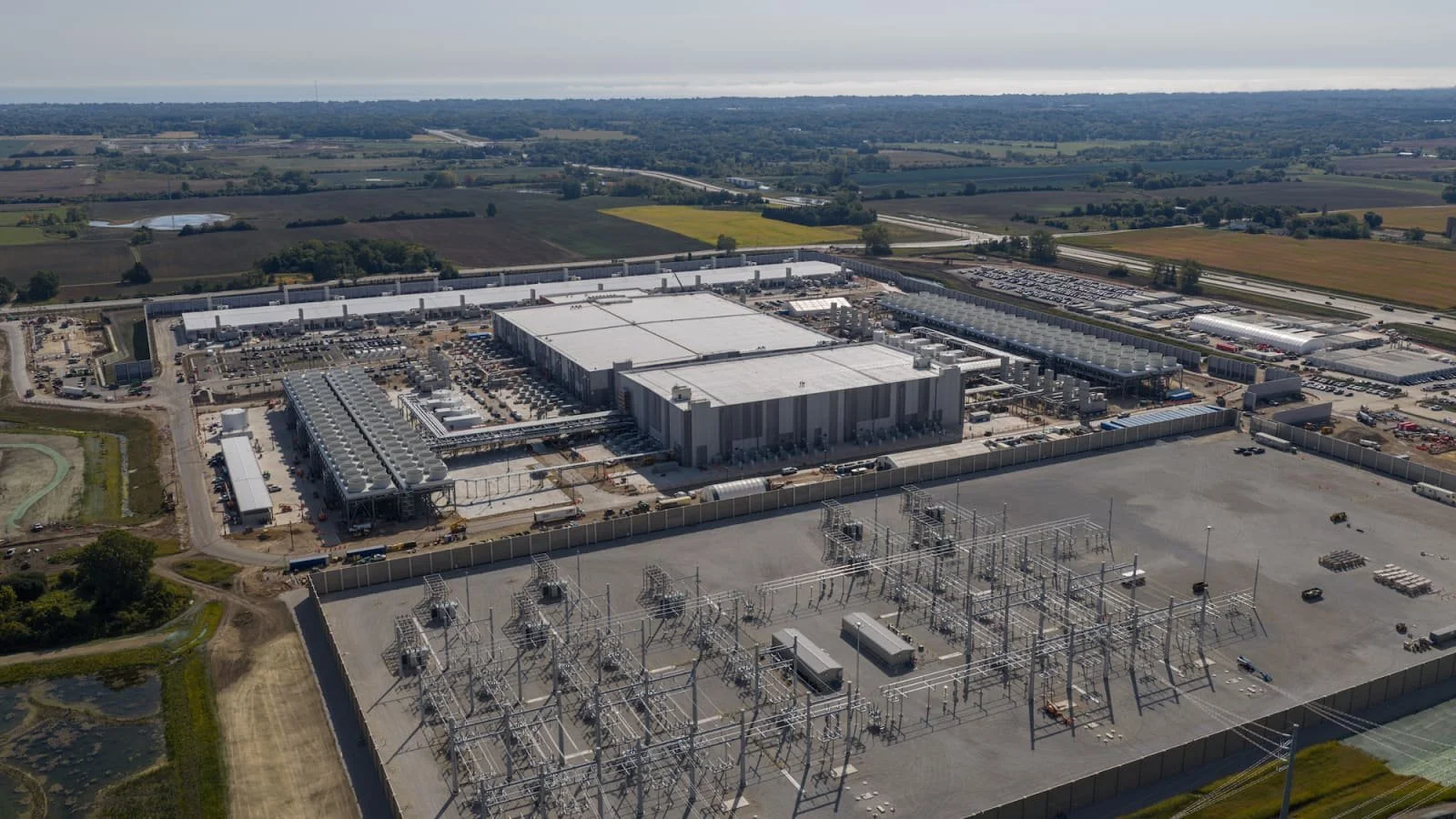
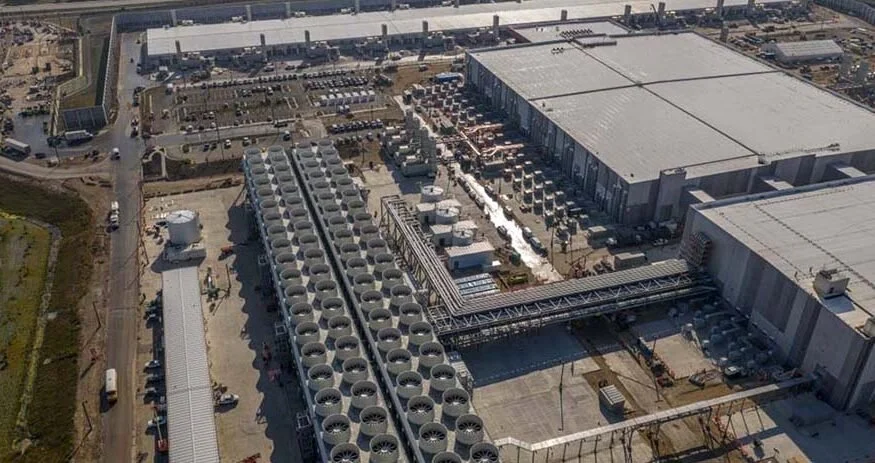
Microsoft's Wisconsin data center represents a $7.3 Billion investment —one of many hyperscale projects reshaping rural landscapes across America. These windowless fortresses are becoming the dominant infrastructure type of our generation, yet they remain architecturally unexamined. How we address this typology matters: as extraction or anchor, as fortress or neighbor, as liability or civic opportunity.
The Problem, Unpacked
Data centers are being built at unprecedented scale. AI training, cloud computing, and streaming video demand ever more compute—and compute demands power, cooling, and space. A single hyperscale facility can draw 100+ megawatts, enough to power a small city.
The industry's logic pushes toward remote siting: cheap land, cheap electricity, minimal neighbors to complain. But this creates a parasitic relationship. The data center extracts—power, water, tax breaks—and returns little. A facility employing 50 people sits on land that once supported farms, schools, and Main Streets.
Five Tensions
1. Energy: Data centers account for 1-2% of global electricity consumption, rising fast. They often locate near power plants or renewable installations, competing with residential and industrial users.
2. Water: Evaporative cooling is efficient but thirsty. In drought-prone regions—Arizona, Texas, Northern Virginia—this creates direct conflict with agricultural and municipal needs.
3. Heat: Servers generate enormous thermal output, typically vented to atmosphere. Meanwhile, adjacent buildings burn gas for warmth. The inefficiency is staggering.
4. Security: Data centers are hardened facilities. Windowless, fenced, surveilled. They resist the porosity that makes urban fabric livable. How do you make a fortress feel like a neighbor?
5. Community: Local governments offer tax incentives to attract data centers, then discover the promised jobs never materialize. What leverage do communities have, and what should they demand?
Data Center Series
The entries that follow explore four architectural responses:
[A] The Thermal Anchor — Mandate heat recovery. Data centers become district heating plants, permitted only where their thermal output serves surrounding development.
[B] The Distributed Bunker — Reject hyperscale. Embed small facilities in existing urban fabric, trading efficiency for integration.
[C] The Data Center Town — Accept the infrastructure as founding industry. Design the settlement that grows around it.
[D] The Modular Ruin — Design for obsolescence. What programs inherit the deep, dark floorplates when the servers leave?