

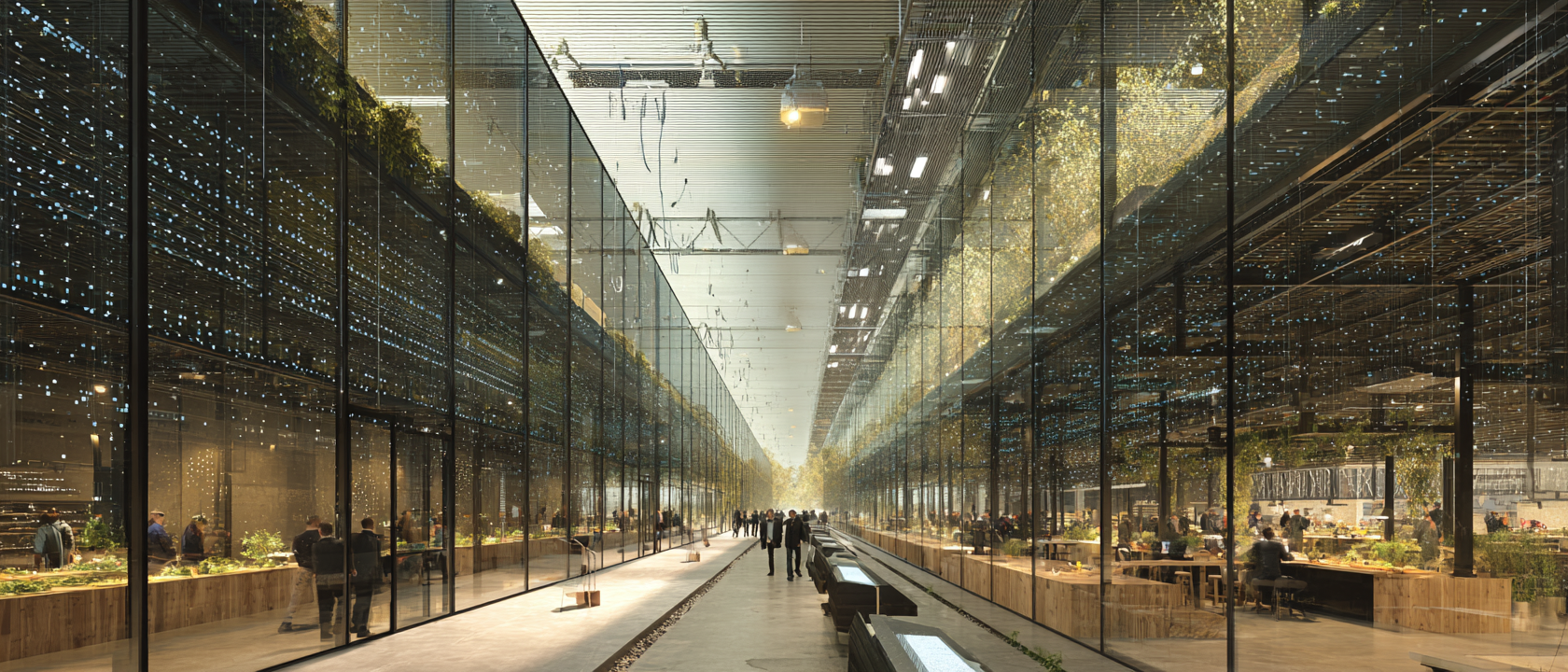
The Thermal Anchor
What if data centers were permitted only as district heating plants—required to give back the heat they generate?
Stockholm already does this. Data centers feed waste heat into the city's district heating network, warming apartments with the thermal byproduct of computation. The infrastructure that extracts also provides. The question for architects: what urban form emerges when heat recovery isn't optional but mandatory?
Research Angles:
What programs cluster within the 400-meter radius where heat distribution remains efficient?
How does the thermal section change building design—orienting toward the heat source rather than the sun?
What governance structures enable heat exchange between private data operators and public utilities?
Related Readings:
Stockholm Data Parks technical documentation
District Heating and Cooling by Svend Frederiksen and Sven Werner
"Thermal Engineering in Urban Areas" essays in Topos magazine
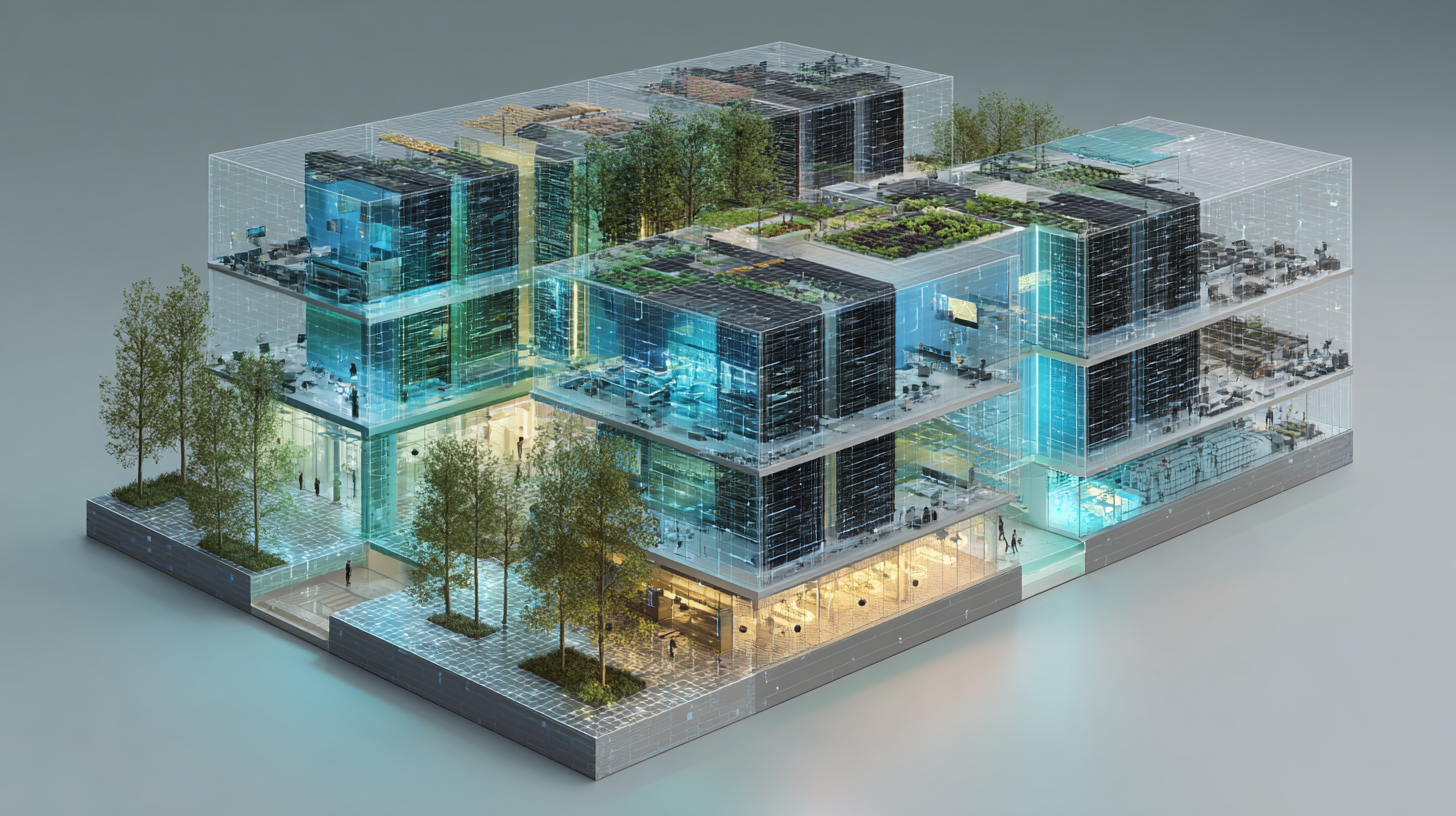
The data center inverted: rather than burying infrastructure beneath public space, the server halls become the cores that support a new interior urbanism. Racks glow with processing activity populated with vertical gardens and public walkways, and workspaces. Waste heat radiates inward, warming the enclosed civic realm—computation as climate system.
The Civic Bargain
The conventional data center takes and vents. It consumes power, rejects heat to atmosphere, and offers the city nothing but property tax revenue—often reduced by incentive deals. The thermal anchor model inverts this: you can build here, but only if your waste heat serves the public.
This isn't utopian. Copenhagen and Stockholm have integrated data center heat into district systems at scale. The technology is proven. The challenge is architectural and political: how do you design the interface between private compute and public warmth?
The 400-Meter Constraint
Heat is hard to move. Unlike electricity, which travels miles with minimal loss, hot water cools as it travels. The practical radius for district heating distribution is roughly 400 meters from source. Beyond that, the economics collapse.
This constraint shapes urban form. The data center becomes a literal anchor—a thermal hearth around which compatible programs cluster:
Housing benefits most directly. Residential heating is the largest thermal load in cold climates. Apartments within the radius receive cheap, low-carbon warmth.
Greenhouses can operate year-round in northern climates, growing food with computation's thermal surplus.
Pools and recreation centers are heat-hungry and publicly beloved. The community pool warmed by the data center next door is a legible civic benefit.
Industrial processes requiring low-grade heat—food processing, textile production, certain manufacturing—become viable neighbors.
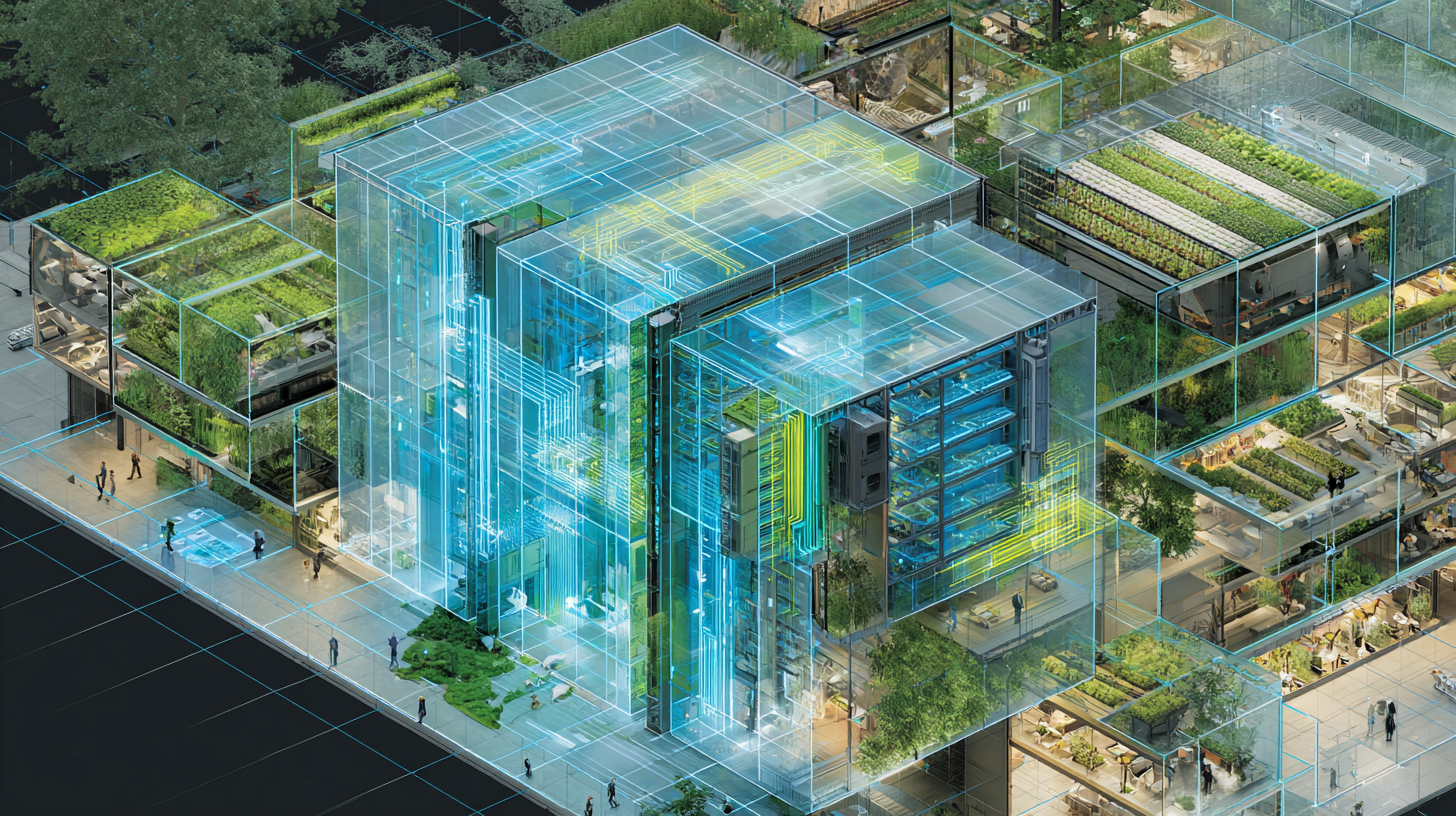
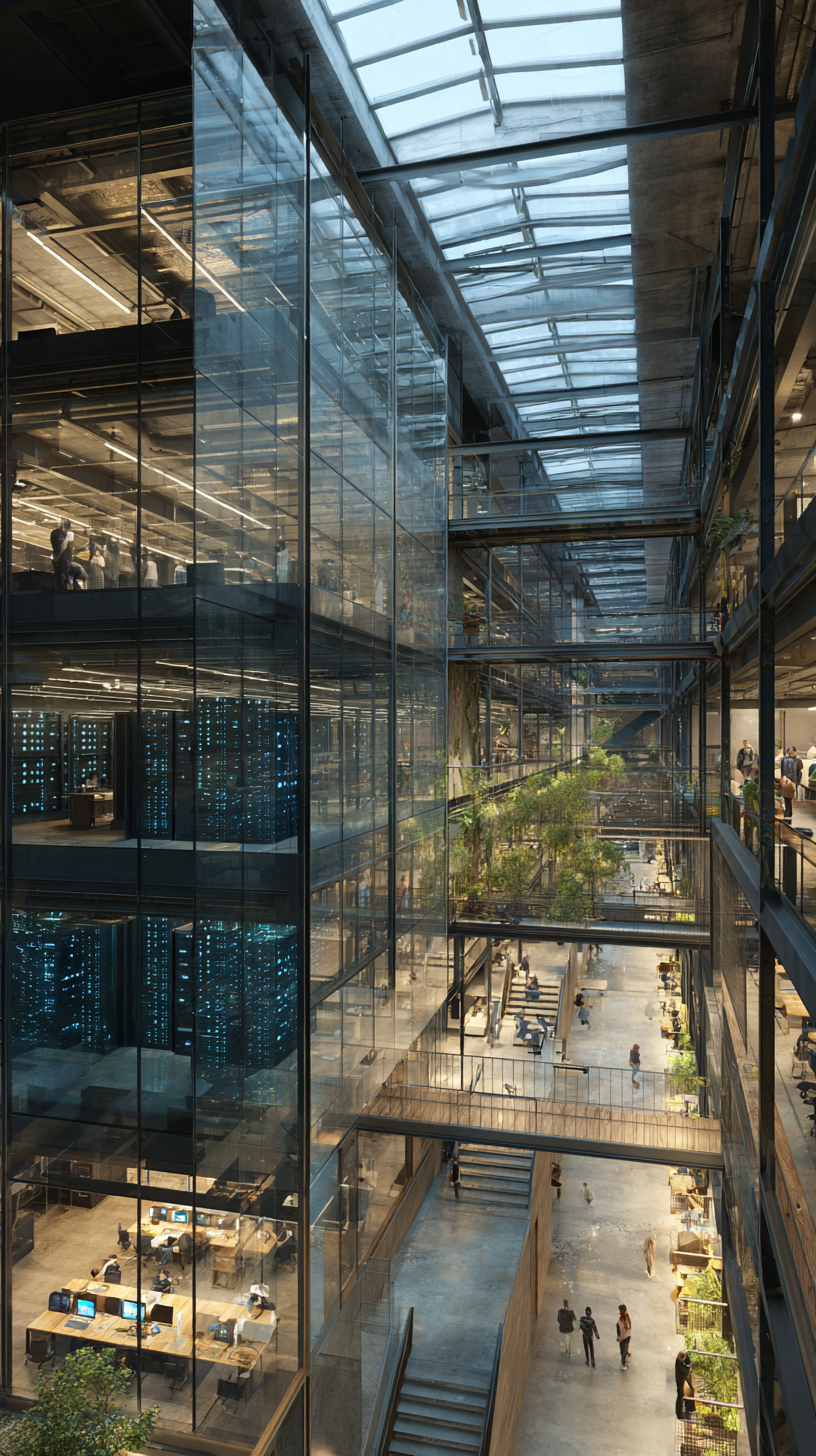
Inside the thermal envelope, the constant hum of servers creates an acoustic buffer—white noise that eliminates the need for thick partitions. The space remains open and transparent, a glass-walled agora wrapped in processing power. Visitors walk through an environment kept temperate not by burning fuel, but by the thermal byproduct of the machines surrounding them. The infrastructure isn't hidden; it's the architecture.
Thesis Trajectories
The Thermal Section. Design a building that receives heat from a data center. How does the mechanical system differ from conventional HVAC? Where do the pipes run? What does the basement look like?
The Permit Framework. Draft the zoning language that mandates heat recovery. What thresholds trigger the requirement? What exemptions exist? How is compliance verified?
The Public Interface. The data center remains secure, but something must face the street. Design the edge condition—the moment where private infrastructure meets public realm.
The Retrofit Question. Existing data centers vent heat to atmosphere. What would it take to retrofit them for district heating? Is it economically viable, or only feasible in new construction?