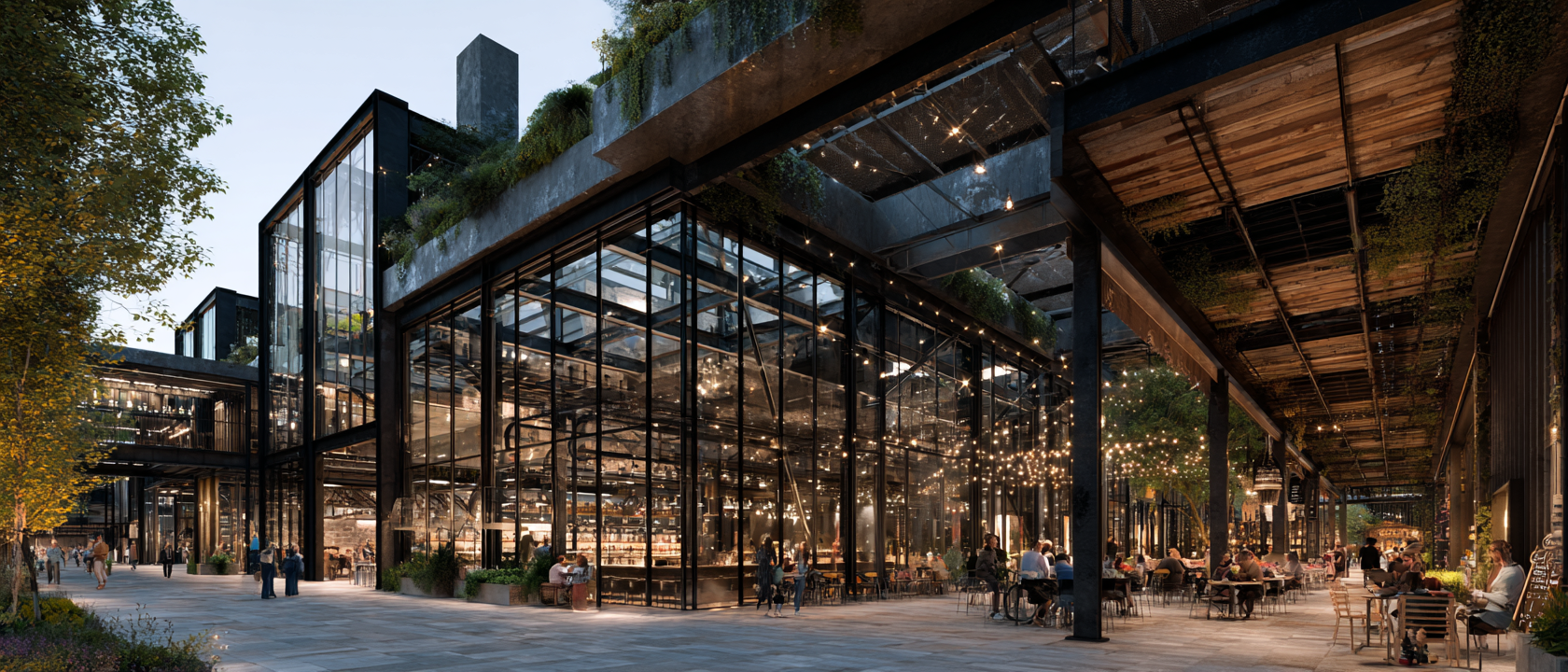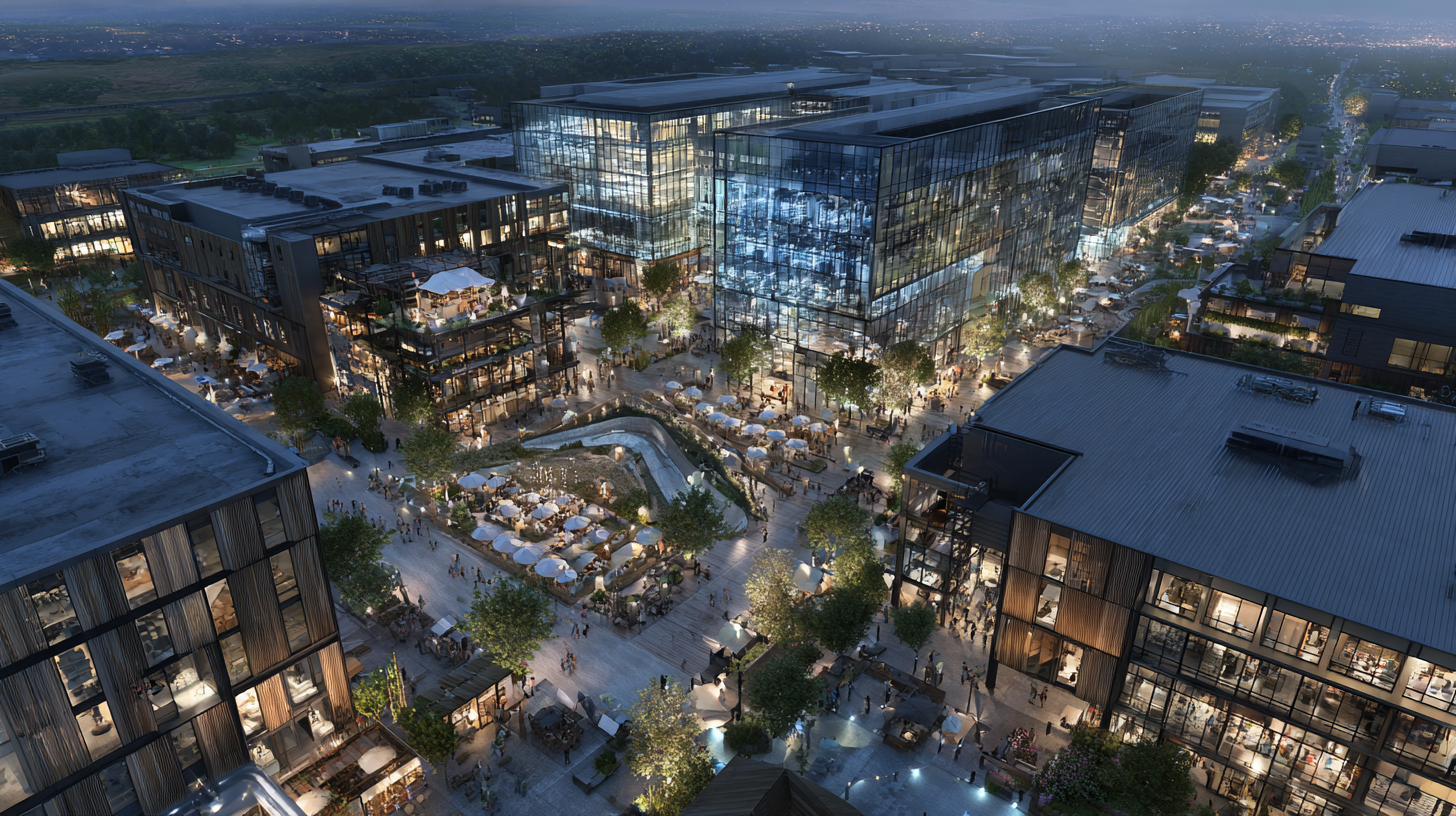
The Data Center Town
What kind of settlement emerges when digital infrastructure is the founding industry?
Company towns once formed around mines, mills, and factories. Workers needed housing; housing needed services; services became Main Street. The industry was extractive, but the town was real. Data centers employ few people—a 50-megawatt facility might need 30 operators. Yet they anchor billions in investment to specific locations. What settlement logic emerges when the founding industry needs land and power but barely needs people?
Research Angles:
How do existing data center clusters (Northern Virginia, Central Oregon, West Iowa) shape their surrounding communities?
What economic activity genuinely spins off from compute presence versus what's speculative hope?
Can a town founded on digital infrastructure develop civic identity, or is it permanently transactional?
Related Readings:
Company Towns by Hardy Green
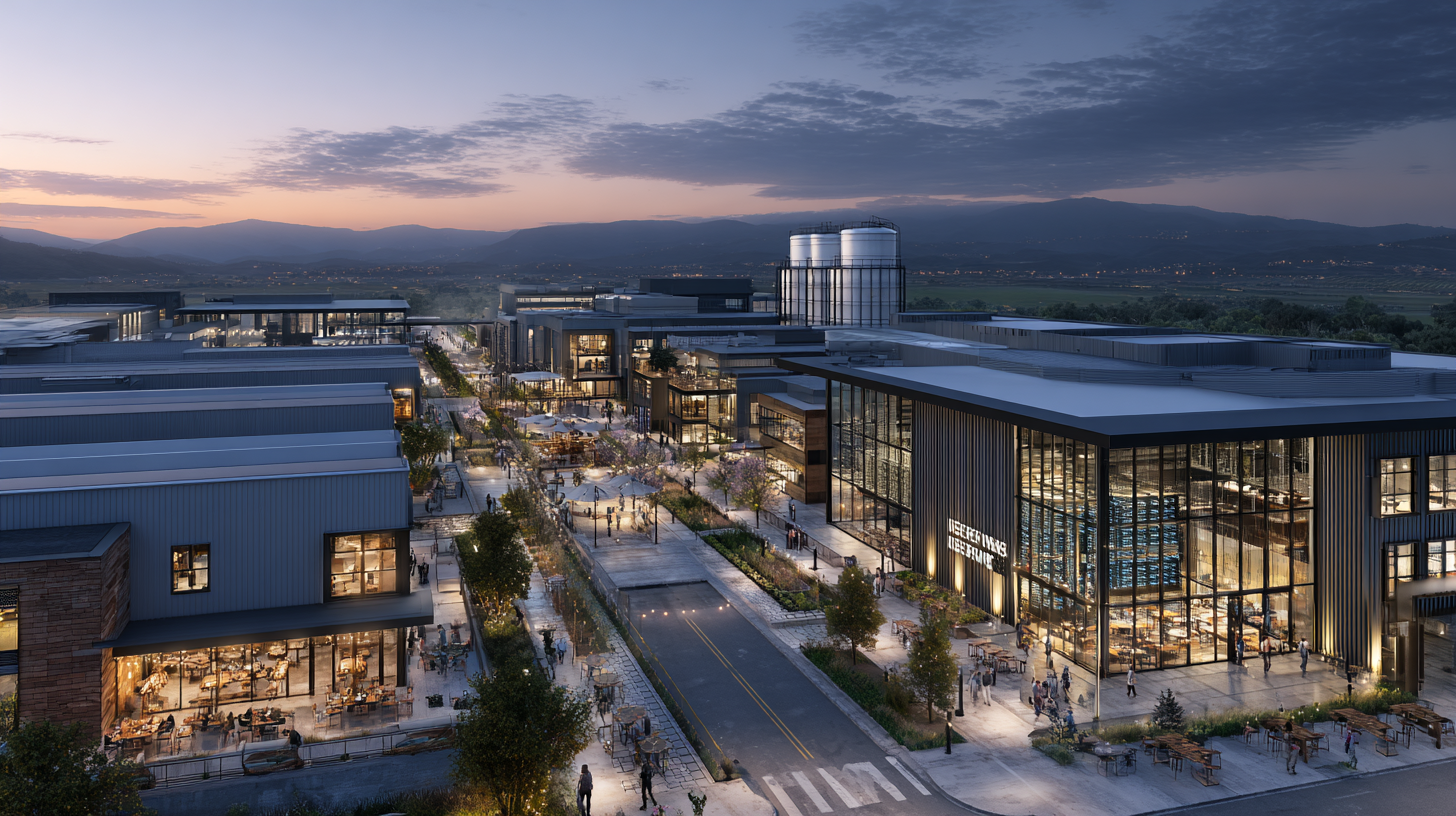
At the heart, the data center stands fully glazed—floor-to-ceiling glass revealing dense rows of black server racks, indicator lights glowing blue-white, the machinery of computation on full display. No fortress here. Adjacent cooling towers rise as sculptural landmarks, their bases wrapped with public plazas and seating, steam drifting upward like a town square fountain. Radiating outward: a retail street with awnings, a timber-framed brewery with a packed beer garden. The infrastructure doesn't hide from civic life—it hosts it.
The Workforce Paradox
Traditional industry towns scaled with employment. More production meant more workers meant more housing meant more schools, churches, bars, and civic life. The population justified the place.
Data centers break this equation. A hyperscale facility worth $500 million might employ 50 people on rotating shifts. The construction workforce—hundreds of electricians, pipe fitters, concrete workers—disappears once the facility is online. What remains is a skeleton crew monitoring servers, plus periodic maintenance contractors.
So who lives in the data center town? Not the operators—they commute from existing cities. The town must attract residents for other reasons, or it isn't a town at all. It's a fenced campus in a field.
Three Settlement Models
The Parasite: The data center locates near an existing town, tapping its labor pool, roads, and services while contributing property tax and little else. The town didn't choose this relationship. It was chosen.
The Symbiont: The data center negotiates genuine integration—heat for the municipal pool, backup power for the hospital, fiber for the schools. The facility remains alien, but its outputs weave into civic life.
The Founder: The data center comes first, and the town is planned around it. Worker housing, support services, and amenity are designed as a package. The company town model, updated for the age of compute.
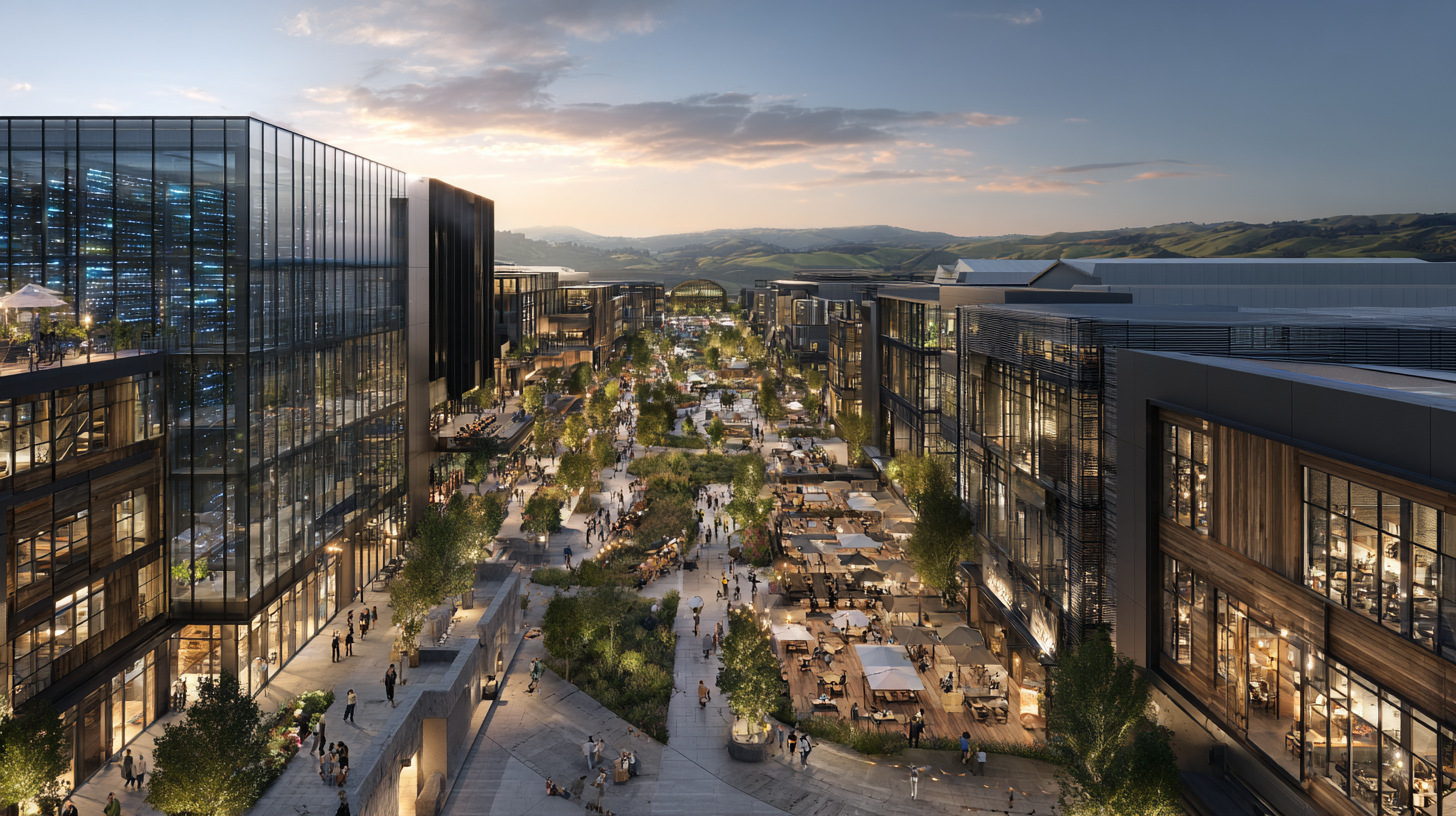
The data center isn't hidden infrastructure on the edge of town—it is the town center. Like a medieval church anchoring the village or the mill defining the factory town, the data center is the reason this settlement exists. Housing, schools, markets, greenhouses, and workshops orbit the humming core, drawing on its power, heat, and connectivity. The founding industry isn't concealed. It's the civic heart.
What Makes It a Town?
A town is more than housing plus services. It's identity, continuity, civic participation. People stay because they belong, not just because they're paid.
The data center town faces a legitimacy problem. Its founding industry is abstract—invisible processes serving distant users. The mine produced ore you could hold. The mill produced fabric you could wear. The data center produces... computation. How do residents develop pride in an industry they can't see or touch?
Possible answers:
Environmental stewardship. If the data center enables aggressive sustainability—waste heat powering the town, solar canopies over parking, zero-carbon operations—residents might identify with the green mission.
Technical education. If the town becomes a training ground for data center operators, network engineers, and renewable energy technicians, the industry becomes a ladder, not just an employer.
Radical amenity. If data center profits fund exceptional public goods—a world-class library, free municipal broadband, a stunning public pool—residents might forgive the fortress next door.
Thesis Trajectories
The Master Plan. Design a 5,000-person settlement around a data center campus. Where's the housing? The school? The town square? What's the relationship between the secure perimeter and public life?
The Civic Narrative. Develop the branding and placemaking strategy for a data center town. What's the story residents tell about where they live? How does signage, public art, and architecture reinforce (or subvert) the founding industry?
The Comparative Study. Research existing data center clusters—Prineville, Oregon; Altoona, Iowa; Ashburn, Virginia. What's actually happened to surrounding communities? What was promised versus delivered?
The Exit Scenario. Data centers have 15-20 year lifespans before obsolescence. What happens to the town when the servers leave? Design the transition plan—or the ghost town